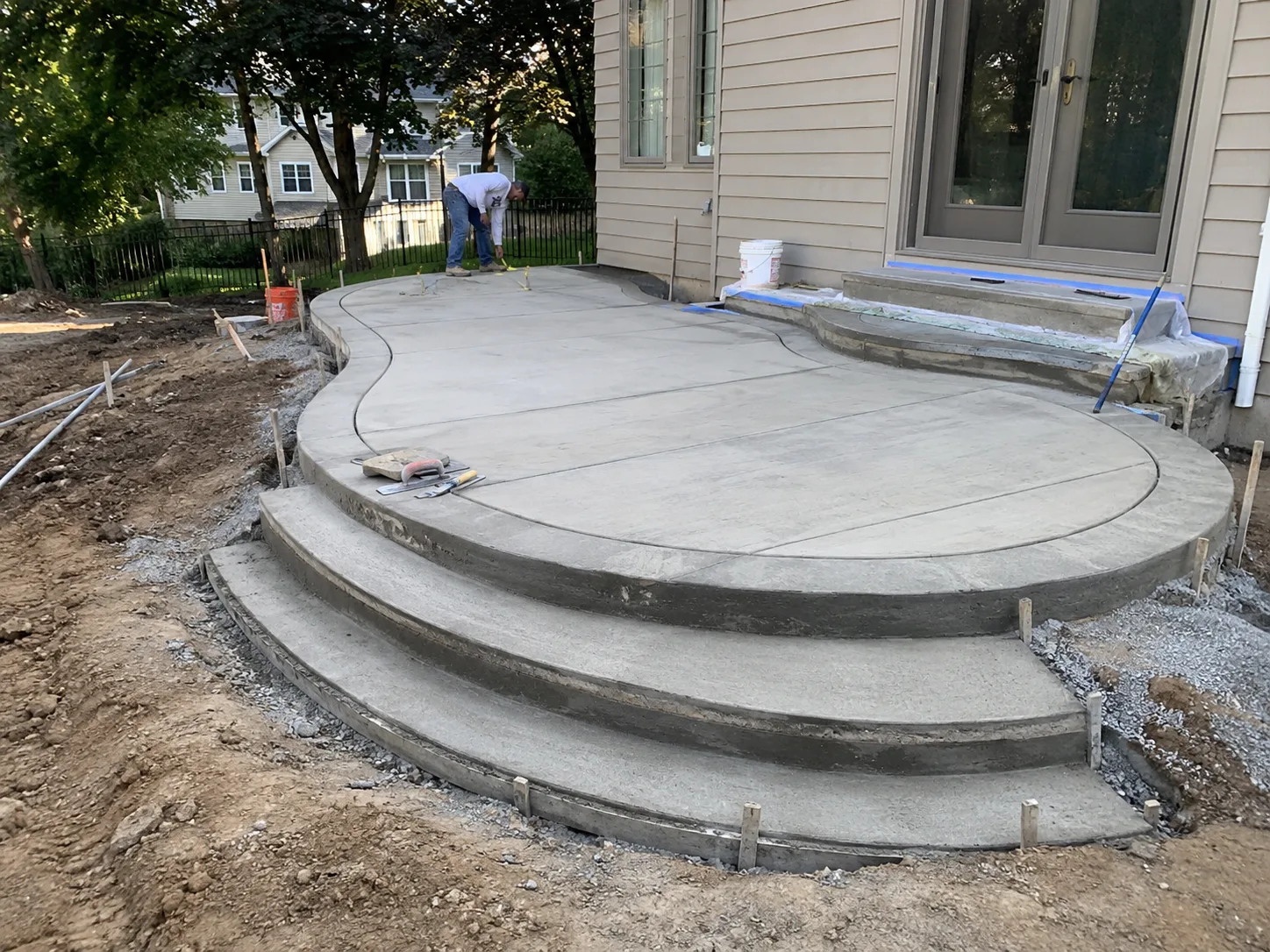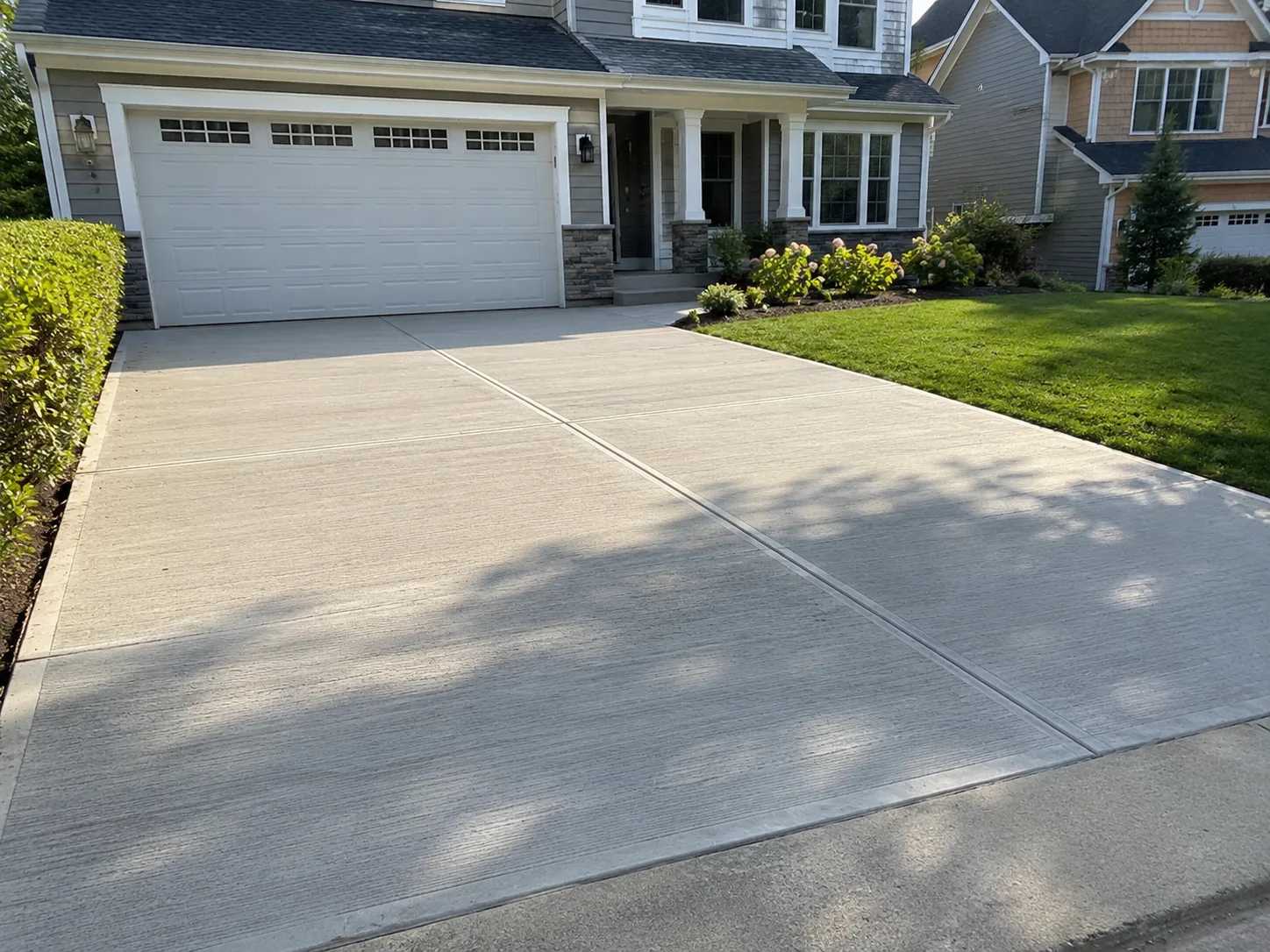
How Long Does Concrete Take to Cure? A Homeowner's Guide
Concrete sets quickly, but curing is a different story. Understanding the difference — and giving your new concrete enough time — is the key to getting the full strength and durability you paid for.
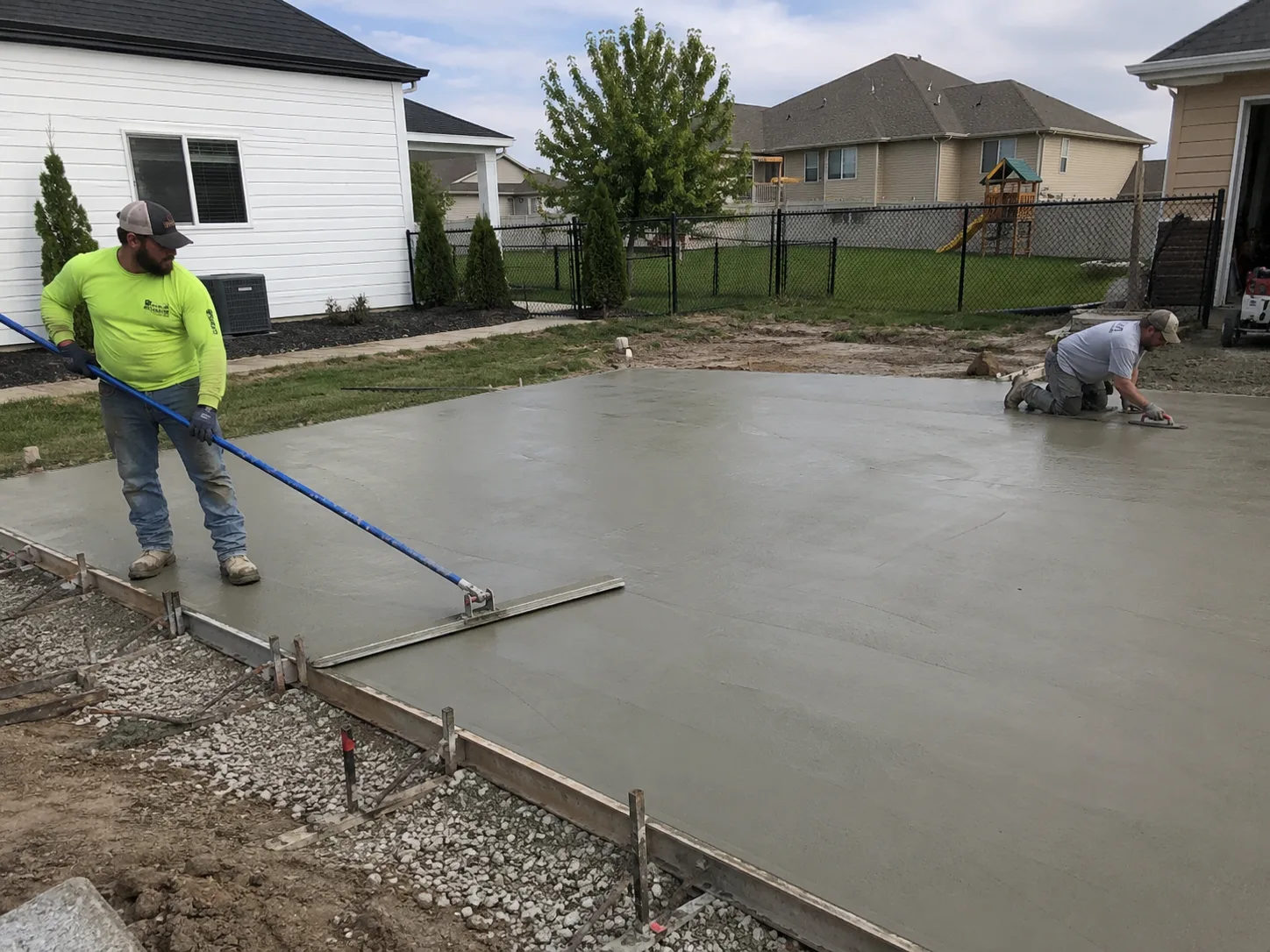
One of the most common questions we get after a pour is: "When can I use it?" It's a fair question — you've just had a driveway, patio, or slab installed, and you want to get back to normal. The answer depends on what you mean by "use," and it's worth understanding the difference between concrete setting and concrete curing.
Setting vs. Curing: What's the Difference?
Setting is the process by which wet concrete transitions from a fluid state to a solid one. This happens relatively quickly — most concrete is stiff enough to walk on within 24 to 48 hours of being poured, depending on temperature, humidity, and mix design.
Curing is the long-term chemical process by which concrete gains strength. Curing is driven by a reaction called hydration — the cement particles react with water to form calcium silicate hydrate crystals that bind everything together. This process starts the moment concrete is poured and continues for months, or even years. But the most critical period is the first 28 days.
The 28-Day Standard
In the construction industry, concrete strength is typically measured at 28 days. This is the point at which standard concrete mixes reach approximately 99% of their design compressive strength. When an engineer specifies a 4,000 PSI concrete mix, they mean 4,000 PSI at 28 days.
Here's a rough timeline of strength gain for a standard residential concrete mix:
- 24–48 hours: ~16% of final strength. Concrete is firm enough to walk on carefully.
- 7 days: ~65–70% of final strength. Light foot traffic is fine. Do not drive on it yet.
- 14 days: ~85–90% of final strength. Light passenger vehicles may be acceptable.
- 28 days: ~99% of final strength. Full load bearing — vehicles, heavy equipment, etc.
What Affects Curing Time?
Temperature is the biggest factor. Hydration slows dramatically in cold weather and speeds up in heat. Concrete poured when temperatures are below 50°F cures much more slowly — and if it freezes before reaching adequate strength, the damage is irreversible. Hot weather (above 90°F) can cause the surface to dry too quickly, leading to shrinkage cracks. Both extremes require special precautions.
Moisture is equally critical. Concrete needs water to cure. If the surface dries out too quickly (especially in wind or heat), the hydration reaction stops prematurely and the concrete won't reach its full strength. That's why contractors keep new concrete damp — through curing blankets, plastic sheeting, or water misting — for the first few days after a pour.
Mix design also matters. High-early-strength mixes (Type III cement) reach strength faster. Low water-to-cement ratios produce denser, stronger concrete. Additives can accelerate or retard setting time.
Practical Rules for Homeowners
- Stay off new concrete for at least 24–48 hours after pouring.
- Keep kids and pets off for at least 3 days.
- Hold off on driving on a new driveway for at least 7 days, preferably 14 days.
- Don't park heavy trucks or equipment for a full 28 days.
- Don't apply sealers until the concrete has cured for at least 28 days.
Why This Matters
Loading concrete too early — driving on it, parking heavy vehicles, or placing heavy objects — while it's still gaining strength can cause cracking, surface damage, and long-term structural weakness. The extra patience pays off in decades of service life.
At Precision Concrete, we always review curing guidelines with our clients after every pour, and we use the right mix designs and curing methods for New York's variable climate. If you have questions about a recent pour or want to discuss an upcoming project, we're happy to help.