How to Maintain a Concrete Driveway in New York Winters
New York winters are brutal on concrete. Freeze-thaw cycles, road salt, and snow removal can shorten the lifespan of your driveway if you're not careful. Here's how to protect your investment season after season.
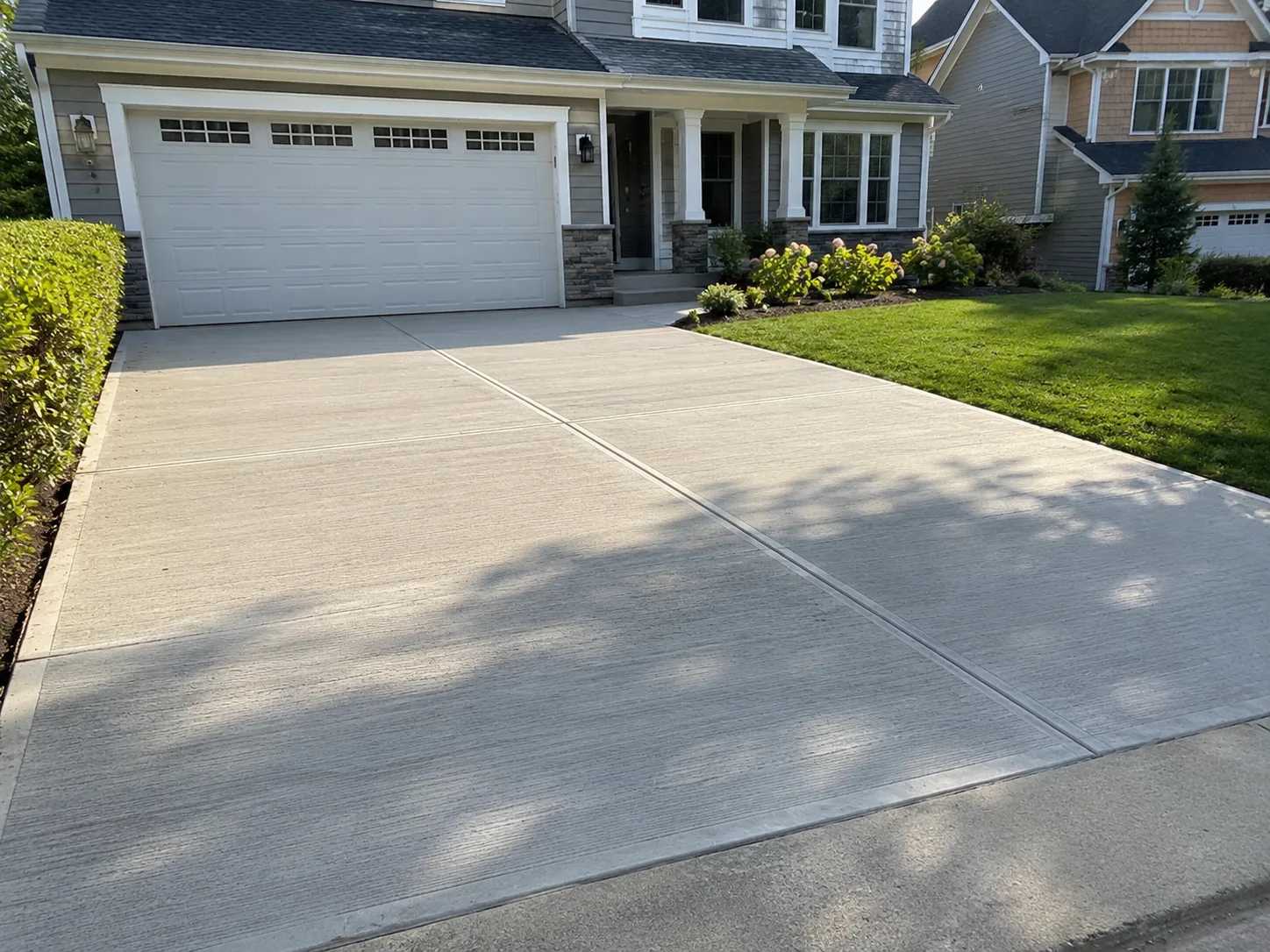
New York winters are tough on everything — but few surfaces take a beating quite like a concrete driveway. Between freezing temperatures, road salt runoff, and heavy snow removal equipment, your driveway faces serious stress from November through March. The good news: with a few proactive steps, you can dramatically extend its life and keep it looking sharp.
Why Winter Is Hard on Concrete
Concrete is porous. When water seeps into those tiny pores and then freezes, it expands — roughly 9% in volume. This freeze-thaw cycle cracks concrete from the inside out. New York typically sees dozens of freeze-thaw cycles each winter, meaning the damage compounds quickly if your concrete isn't protected.
Road salt and de-icers make it worse. Sodium chloride lowers the freezing point of water, which sounds helpful — but it actually causes more freeze-thaw cycles (water melts, then refreezes) while chemically attacking the concrete surface. Repeated salt exposure causes surface scaling and flaking that shortens the driveway's lifespan by years.
1. Seal It Before Winter Hits
A high-quality concrete sealer is your first and most important line of defense. Sealer fills those tiny pores, preventing water from getting in and causing freeze-thaw damage. Apply a penetrating silane-siloxane sealer every 2–3 years. New concrete should cure for at least 28 days before sealing — don't rush it.
The best time to seal is fall, after temperatures consistently drop below 50°F but before the first hard freeze. Sealing in summer heat can cause the product to dry too fast and not penetrate properly.
2. Use Concrete-Safe De-Icers
Avoid sodium chloride (rock salt) and calcium chloride on concrete whenever possible. Instead, use:
- Sand or kitty litter — provides traction without chemical damage
- Calcium magnesium acetate (CMA) — gentler on concrete and vegetation
- Potassium chloride — less damaging than sodium chloride, though less effective in extreme cold
If you must use salt, rinse the driveway thoroughly in the spring to remove residue before it works deeper into the slab.
3. Be Careful with Snow Removal
Metal-blade shovels and aggressive snow blowers can chip and scratch concrete surfaces, especially if the blade catches a crack or uneven edge. Use plastic-tipped shovels and set your snow blower's skid shoes so the blade doesn't scrape the surface. Never use a metal ice chipper on concrete — you'll damage the surface finish.
4. Repair Cracks Before They Get Worse
If you see a crack — even a small one — have it repaired before winter. Water gets into cracks, freezes, and widens them significantly. Small crack repairs in late fall can prevent you from needing a major resurfacing or replacement job in spring. Look for hairline cracks wider than ⅛ inch as your threshold for repair.
5. Consider Drainage
Water pooling on or around your driveway is a sign of a drainage problem. Standing water has more time to seep into the concrete before it freezes. Make sure your driveway is properly sloped (typically ⅛ to ¼ inch per foot) to direct water away from the slab and the foundation.
When to Call a Professional
If your driveway is showing significant scaling, multiple cracks, heaving, or large areas of spalling, a professional assessment is worth it before another winter hits. Sometimes a targeted repair saves the slab. Other times, if the damage is widespread, a full replacement — done right with proper subbase preparation and control joints — is the more cost-effective long-term choice.
Precision Concrete has been installing and repairing driveways across New York for years. We understand how local weather conditions affect concrete and how to build driveways that hold up for decades. If your driveway has seen better days, give us a call for a free estimate.